
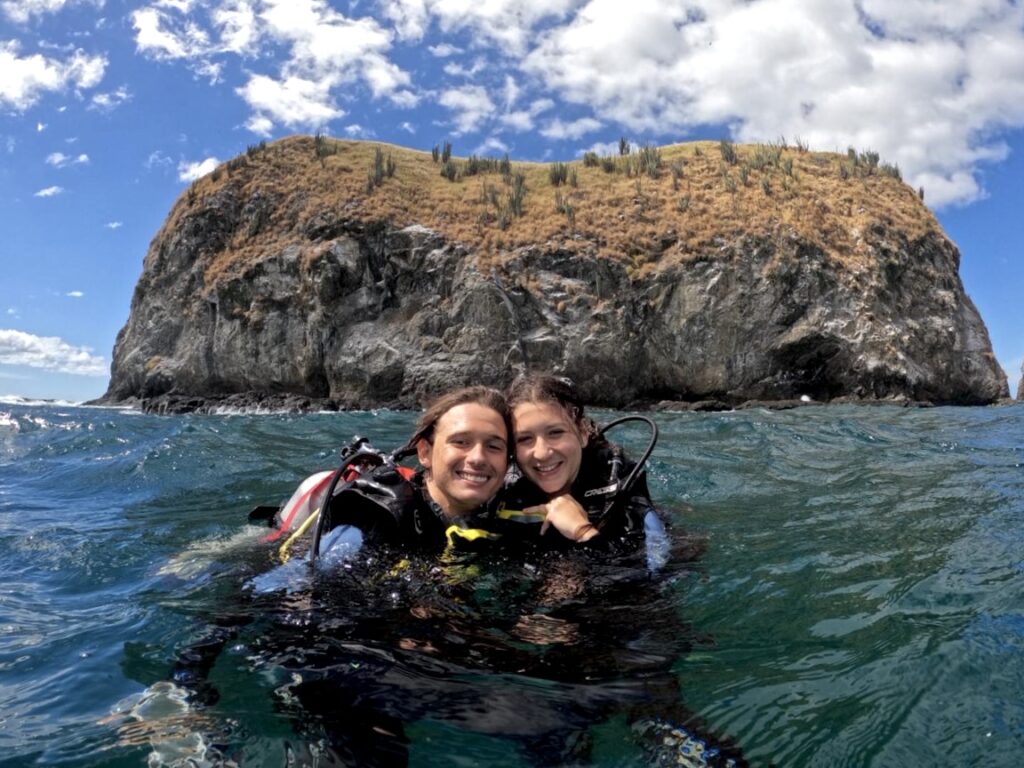
The Pacific coast of Costa Rica doesn’t get the same attention as the Caribbean when it comes to diving. That’s a mistake — and one that works in your favor if you’re diving here.
The waters off Guanacaste are home to a marine ecosystem shaped by cold, nutrient-rich upwellings and warm surface currents that together produce extraordinary biodiversity. Sea turtles feeding on reef grass. White-tip reef sharks resting on the sand. Eagle rays gliding past in formation. Schools of fish so dense they block the light. This is not a backup option to Caribbean diving — it’s a different, often more dramatic experience.
This guide covers everything you need to know about scuba diving in Tamarindo, Costa Rica.
Why Dive the Guanacaste Coast?
The Eastern Pacific is one of the most biodiverse marine regions on the planet, and Guanacaste sits in a particularly productive stretch of it.
The continental shelf drops steeply off the coast of northwest Costa Rica, bringing cold, nutrient-dense water up from depth along the rocky reef systems that line the coast. This upwelling feeds the base of a food chain that supports an unusually dense concentration of marine life — from tiny nudibranchs and sea horses to bull sharks, manta rays, and whale sharks.
What makes diving here feel different from many destinations is the scale of marine encounters. Sea turtles are not occasional highlights — they’re a routine part of almost every dive. Reef sharks are common. Eagle rays appear with regularity. And the underwater topography — rocky reefs, canyons, pinnacles, caves — is consistently interesting to navigate.
Best Dive Sites Near Tamarindo
Playa Flamingo Reefs
The rocky reef systems around Playa Flamingo, about 30 minutes north of Tamarindo, are the most accessible quality diving in the region. Depths range from 10 to 25 meters, and the reef structure supports a dense population of reef fish, moray eels, octopus, sea turtles, and the occasional white-tip reef shark resting on the sand.
Good visibility, manageable currents, and reliable marine life make this the best option for first-time divers in the area and a solid warm-up site for experienced divers before heading to deeper sites.
Islas Catalinas
The Catalina Islands, roughly 45 minutes north of Flamingo by boat, are one of the most celebrated dive destinations on the Guanacaste coast. The islands rise from deeper water, creating dramatic underwater walls, channels, and pinnacles that concentrate marine life.
The standout attraction at Catalinas is manta rays — during peak season (December through May), mantas aggregating around the islands for cleaning and feeding are a reliable and breathtaking encounter. Bull sharks are also regularly spotted here, along with eagle rays, large schools of fish, and reef life throughout.
Catalinas requires a longer boat ride and is best suited for certified divers. Conditions can be more challenging than the Flamingo reefs — currents run stronger and visibility varies — but the payoff is proportional.
Playa Hermosa Pinnacles
Rocky underwater pinnacles near Playa Hermosa hold populations of large pelagic visitors alongside the typical reef residents. Dive guides who know these sites can position groups for encounters that most tourists never find.
Offshore Seamounts
Further offshore, underwater seamounts and banks concentrate baitfish — and everything that feeds on them. Whale sharks are occasionally encountered at these sites during productive seasons. These dives require more planning, longer boat rides, and are best suited for experienced divers willing to commit to a full day on the water.
Marine Life You Can Expect to See
Sea turtles are the most consistent wildlife encounter on almost every dive near Tamarindo. Olive ridley, green, and hawksbill turtles all inhabit these waters. Watching a sea turtle feed on reef grass in clear water at close range remains one of those diving moments that never gets routine.
White-tip reef sharks rest on the sandy bottom during the day. They’re calm, approachable, and among the most satisfying shark encounters in diving — large enough to be impressive, relaxed enough to observe at length.
Eagle rays move through these reefs in small groups, often appearing and disappearing with the current. An eagle ray encounter mid-water — wings spread, moving effortlessly — is a highlight of any dive.
Manta rays at the Catalinas are seasonal but spectacular. When conditions are right and the mantas are aggregating, a single dive can produce encounters with dozens of individuals circling cleaning stations.
Moray eels of multiple species inhabit the crevices of every reef in the area. Green morays are common; spotted morays and the occasional giant moray appear at depth.
Octopus are present throughout the rocky reef zones, masters of camouflage that a good guide can find where an unguided diver would swim right past.
Reef fish: Pufferfish, trumpetfish, parrotfish, surgeonfish, damselfish, angelfish, and large schools of grunts and snappers populate the reef structure at every level.
Whale sharks are possible at offshore sites during productive upwelling periods. They’re not guaranteed or even reliably seasonal, but they’re in these waters and encountered by divers with the right operator at the right time.
Diving for Beginners vs. Certified Divers
Discovery Dives (No Certification Required)
A discovery dive — sometimes called a resort dive or intro dive — allows non-certified divers to experience scuba underwater with a professional instructor at a 1:1 or 1:2 ratio. These dives are conducted in shallower reef environments (typically 5–12 meters) where conditions are manageable and marine life is abundant.
The experience is genuinely rewarding. Most people who do a discovery dive near Tamarindo see sea turtles, reef fish, and moray eels on their first time underwater. The dive is preceded by a briefing covering basic skills and safety — no prior experience is needed.
A discovery dive is also an excellent way to decide whether to pursue full PADI or SSI certification. Many people leave their first dive looking for where to take the course.
Certified Divers
With an Open Water certification or higher, you access the full range of dive sites — including Catalinas, the offshore pinnacles, and deeper reef sections where the most impressive marine life concentrates. Advanced Open Water certification opens additional depth ranges and more challenging sites.
Dive operators near Tamarindo also offer continuing education courses — Advanced Open Water, Rescue Diver, and specialty certifications — for divers who want to develop their skills during their trip.
Best Time to Dive in Tamarindo
Dry Season (December – April) — Best Overall Conditions
The peak window for diving near Tamarindo. Calm seas make the boat ride comfortable. Underwater visibility reaches 15–25 meters at its best, with clear, blue water that makes photography exceptional. Manta ray season at Catalinas peaks during this period.
January through March are consistently the best months. Sailfish are running offshore, whale sharks are possible, and conditions are as good as they get.
Green Season (May – November) — Productive but Variable
Green season diving has its own character. Visibility decreases somewhat as nutrient-rich water upwells, but that same upwelling concentrates baitfish and brings larger pelagic species closer to the reefs. Bull shark sightings increase. Schooling fish are more dramatic.
The tradeoff is surface conditions — choppier seas make the boat ride less comfortable and some days aren’t suitable for the longer runs to Catalinas. Dive operators adjust sites based on daily conditions.
Best month combinations:
- Best visibility: January – March
- Best chance of mantas: December – May
- Best schooling fish / pelagics: June – October
- Most consistent year-round: December – April
What to Expect on a Dive Trip from Tamarindo
Most dive excursions from the Tamarindo area are half-day trips that include two dives. A typical trip looks like this:
Morning departure from a beach or marina, usually between 7:00 and 8:00 AM. The boat ride to dive sites ranges from 20 minutes (Flamingo reefs) to 45 minutes (Catalinas).
First dive — typically the deeper of the two, 18–25 meters for certified divers, shallower for discovery divers. A safety briefing covers the site, expected marine life, and any specific protocols.
Surface interval — 30–45 minutes on the boat between dives. Water, snacks, and time to discuss what you saw.
Second dive — usually shallower, exploring a different section of the reef or a complementary site nearby.
Return to the departure point, typically back by early afternoon.
All equipment is provided. Tanks, regulator, BCD, wetsuit, mask, fins, and dive computer are standard inclusions. Bringing your own equipment is fine if you prefer it.
Practical Tips for Diving in Tamarindo
Book with a certified operator. Look for dive operators with PADI or SSI affiliation and certified dive masters or instructors. This is not a corner worth cutting.
Mention your certification level accurately. The dive master assigns sites and manages depth based on the experience level of the group. Overstating your experience creates risk.
Use reef-safe sunscreen. Standard chemical sunscreens damage coral reef ecosystems. Reef-safe mineral sunscreens (zinc oxide or titanium dioxide based) are widely available in Tamarindo and should be the only option worn in the water.
Stay hydrated. Diving is dehydrating. Drink water before and after dives, and avoid alcohol the morning before diving.
Don’t touch anything. The universal rule. Touching coral kills it. Chasing marine life stresses it. The best underwater experiences come from stillness and patience — approaching marine life calmly rather than pursuing it.
Log your dives. If you’re working toward advanced certifications or simply want a record of what you saw, ask your dive master to sign your log book after each dive.
Frequently Asked Questions
Do I need to be a strong swimmer to scuba dive?
Basic swimming ability is recommended for discovery dives — you should be comfortable in open water. You don’t need to be an athletic swimmer. The equipment keeps you buoyant and most of the movement underwater is slow and controlled.
Is the water cold?
Water temperatures off Guanacaste range from about 24°C (75°F) in dry season to 27–28°C (80–82°F) during warmer periods. A 3mm wetsuit is comfortable for most divers; some people prefer a shorty. Cold upwellings can drop temperatures noticeably at depth during green season.
Can I dive if I’m pregnant?
No. Scuba diving is contraindicated during pregnancy due to decompression risk.
What’s the maximum depth for a discovery dive?
Discovery dives are typically limited to 12 meters maximum, conducted under direct instructor supervision.
Book Scuba Diving from Tamarindo
Costa Rica Local Tours works with certified dive operators on the Guanacaste coast. Whether you’re doing your first discovery dive or looking for advanced sites with experienced guides, we’ll match you with the right operation.
Contact us via WhatsApp — we’ll help you plan the right dive experience.
Costa Rica Local Tours — Tamarindo, Guanacaste